
Introduction to Hybrid App Development
Hybrid app development has gained significant momentum in 2026, as businesses look for ways to deliver high-performing apps across multiple platforms without exceeding budgets. A future-ready hybrid app development company in 2026 focuses on building apps that work seamlessly on both iOS and Android, reducing the need for separate native solutions. By blending elements of web and native apps, hybrid solutions offer flexibility, faster time-to-market, and the ability to update apps without extensive redevelopment.
For startups and large enterprises alike, hybrid app development is no longer just an option—it is a strategic approach to staying competitive and accessible to users across devices.
What Is a Hybrid App in 2026 and How Is It Different From Native Apps?
A hybrid app combines features of native apps (installed on a device) with web apps (accessible via a browser). Unlike native apps, which require separate coding for each platform, hybrid apps use a single codebase for both iOS and Android. This approach allows businesses to reach a wider audience without the need for duplicating development work.
In 2026, hybrid apps have evolved to include faster performance and smoother interactions, narrowing the gap between native and hybrid experiences. Businesses can now offer users an app experience that feels almost native while benefiting from simplified maintenance and updates.
What Is Hybrid App Development and Why Businesses Are Adopting It in 2026?
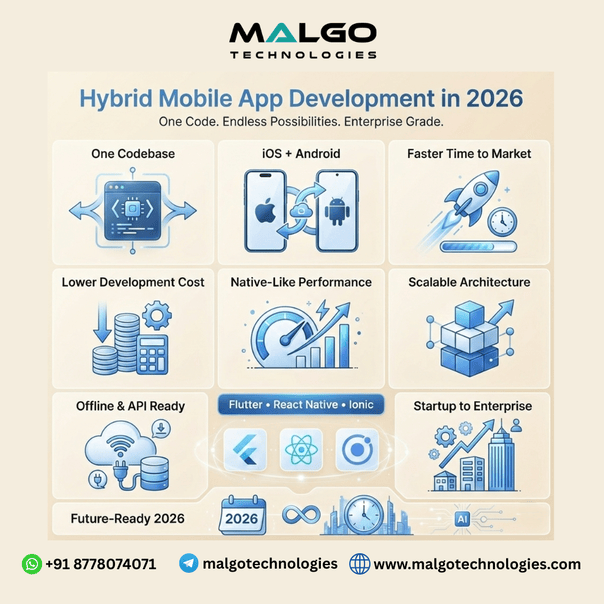
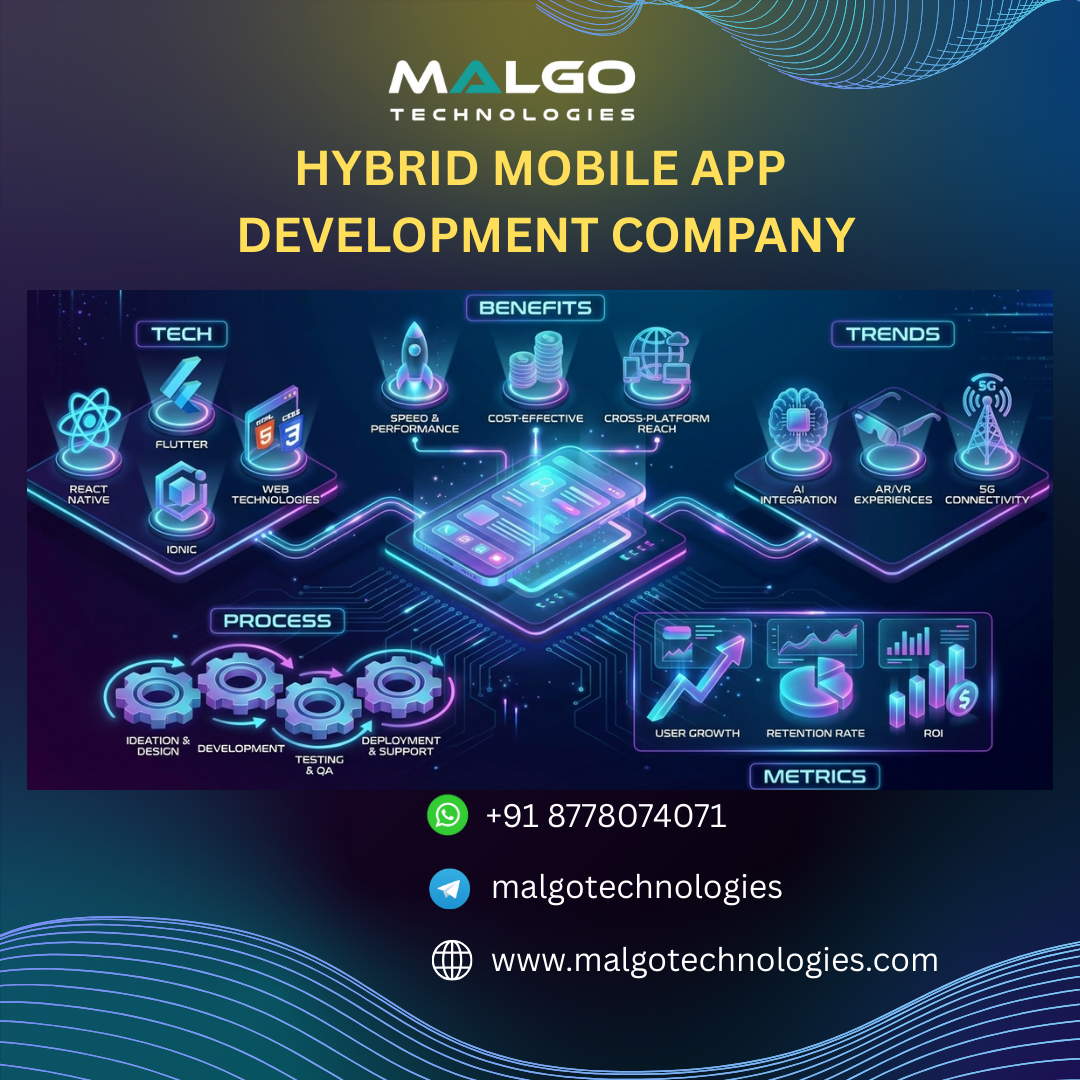
Hybrid app development involves creating apps using frameworks like Flutter, React Native, or Ionic, which allow a single codebase to run across platforms. Businesses are increasingly adopting this approach because it saves development costs and time, while ensuring consistent performance across devices.
In 2026, the demand for apps that can quickly adapt to new devices and operating systems has made hybrid app development a practical choice for startups aiming for rapid deployment and enterprises seeking to optimize resources.
How Does Hybrid App Development Work and Does It Affect App Performance?
Hybrid apps run inside a native container, using web technologies like HTML, CSS, and JavaScript. This container bridges the gap between the device’s operating system and the web code, allowing the app to access device features such as cameras, GPS, and notifications.
While early hybrid apps faced criticism for slower performance compared to native apps, modern frameworks have significantly reduced lag. Today’s hybrid apps provide smooth animations, quick load times, and reliable functionality, making them suitable for both simple and complex applications.
Key Features of a Hybrid App That Help Reduce Development Cost and Time to Market
Hybrid apps include several features that make development faster and more cost-effective:
Single Codebase: Develop once and deploy on multiple platforms.
Cross-Platform Compatibility: Works on iOS, Android, and even web browsers.
Easy Maintenance: Updates are applied across all platforms at once.
Access to Device Features: Use camera, GPS, push notifications, and other native functionalities.
Reusable Components: Speeds up development by leveraging existing libraries and plugins.
These features help businesses launch apps faster without compromising functionality, making hybrid app development a practical choice for tight budgets and schedules.
Benefits of Using Hybrid App Development Services for Startups and Enterprises in 2026
For startups, hybrid apps offer a cost-effective way to enter the market quickly while reaching a wider audience. Enterprises can maintain consistency across multiple platforms and streamline internal workflows. Additional advantages include:
Faster development cycles
Reduced maintenance efforts
Easier scalability
Seamless integration with third-party tools
Improved time-to-market for critical business apps
With these benefits, hybrid app development services have become an essential part of strategic planning for businesses in 2026.
How Malgo’s Hybrid App Development Services Solve Scalability, Performance, and Budget Challenges
Malgo specializes in delivering hybrid apps that balance performance, scalability, and affordability. By focusing on lightweight architecture and efficient coding practices, Malgo ensures apps handle increased user loads without lag.
Businesses also benefit from simplified updates and integration with emerging technologies, helping maintain high performance while keeping budgets under control. Whether it’s a startup launching its first app or an enterprise updating legacy systems, Malgo addresses the core challenges of hybrid app development.
Why Choose Malgo for Hybrid App Development in 2026 Instead of Other Companies?
Malgo emphasizes practical solutions for app development rather than overcomplicated processes. Unlike other companies, Malgo combines:
Efficient cross-platform development
Cost-effective project planning
Scalable architecture for growing businesses
Timely delivery without compromising functionality
This approach ensures clients receive hybrid apps that are ready for market demands and future updates, positioning Malgo as a reliable partner for app projects in 2026.
Final Thoughts: Is Hybrid App Development the Right Choice for Your Business in 2026?
Hybrid app development suits businesses looking to save on costs, reach a wider audience, and maintain flexibility for future updates. While some apps with heavy graphics or platform-specific requirements may still benefit from native development, hybrid apps provide a balanced solution for most startups and enterprises.
Considering your business needs, timelines, and budget, hybrid development offers an opportunity to launch efficiently while still delivering strong user experiences.
Get Started With Malgo’s Hybrid App Development Services Today
Call/WhatsApp: https://api.whatsapp.com/send?phone=918778074071
Telegram: https://t.me/malgotechnologies
Email: info@malgotechnologies.com
Visit: https://www.malgotechnologies.com/hybrid-app-development









Write a comment ...